
PTE Academic Speaking 2026: How to Master Summarize Group Discussion and Respond to a Situation
If you are preparing for PTE Academic in 2026 using old videos, old templates or old practice material, check carefully whether your resources reflect the current test.
PTE Academic now includes two important Speaking & Writing question types:
Summarize Group Discussion
Respond to a Situation
Pearson identifies both within the current PTE Academic Speaking & Writing format.
These tasks deserve serious attention because they test something that memorised templates cannot fully solve: your ability to understand spoken information and respond appropriately in English.
Students looking for structured preparation can explore PTE Coaching in Perth at High Hopes.
Why Were These PTE Tasks Introduced?
Modern English tests increasingly need to measure whether a candidate can actually communicate in academic and everyday situations.
PTE therefore assesses more than your ability to remember sentences or repeat fixed structures.
The two tasks challenge you to:
- Listen actively
- Identify important information
- Organise ideas quickly
- Speak clearly
- Use relevant vocabulary
- Respond naturally
- Maintain fluency under time pressure
Pearson's current preparation material specifically highlights these two question types.
Task 1: Summarize Group Discussion
In Summarize Group Discussion, you listen to several people discussing a topic.
Your job is not to repeat every sentence.
You need to understand the discussion and produce a clear spoken summary that represents its major ideas and viewpoints.
Pearson describes the task as one requiring active listening, effective note-taking and a coherent summary containing multiple perspectives.
What Makes This Task Difficult?
Candidates commonly struggle because they try to write down too much.
While they are writing one sentence, they miss the next speaker.
For example, imagine three speakers discussing online learning.
Your notes might look like:
These notes contain enough information to create a useful response.
A Better Structure for Summarize Group Discussion
A natural structure could be:
Notice what this structure does not contain:
- Unnecessary introduction
- Memorised complicated vocabulary
- Repetition
- Personal opinion
How to Improve Summarize Group Discussion
Practise Listening for Roles
Train yourself to recognise:
- Agreement
- Disagreement
- Examples
- Problems
- Solutions
- Advantages
- Disadvantages
- Conclusions
Use Short Notes
Do not write:
Write:
That is much faster.
Group Similar Ideas
If two speakers agree, combine their ideas rather than repeating them separately.
This helps create a more coherent response.
Task 2: Respond to a Situation
Respond to a Situation tests a different communication skill.
You receive a situation and need to give an appropriate spoken response.
Pearson explains that the task reflects real-world university-type situations and requires candidates to respond naturally and appropriately.
Example Situation
Weak Response
“You should attend meeting because meeting important and project need everyone.”
The idea is understandable, but the communication quality is limited.
Stronger Response
“Hi, I wanted to speak with you about our group meetings. We have missed your input during the last few sessions, and because everyone has a different responsibility in the project, it is important that we coordinate properly. Could you please make sure you attend the upcoming meetings or let us know in advance if you are unavailable?”
That response demonstrates:
- Context
- Appropriate tone
- Clear purpose
- Complete communication
Avoid Over-Memorised PTE Templates
Templates can help you understand structure.
They become dangerous when students depend on them instead of understanding the task.
Build flexible structures rather than fixed scripts.
Fluency Does Not Mean Speaking Fast
One common PTE mistake is assuming that faster speech equals better fluency.
It does not.
Speaking too quickly can cause:
- Poor pronunciation
- Missing words
- Unnatural rhythm
- Grammar mistakes
- Loss of meaning
Understand How PTE Scoring Works
PTE Academic uses automated scoring, while Pearson notes that some complex responses may also receive human expert review before the automated result is finalised.
Candidates receive an overall score and communicative skill scores.
This is another reason why “secret tricks” are not a sensible long-term preparation strategy.
Focus on improving the English abilities the tasks are designed to measure.
A 30-Minute Daily PTE Speaking Routine
Try this preparation routine:
Listening + Notes
Listen to a discussion or podcast segment and write only keywords.
Spoken Summary
Explain the discussion clearly in your own words.
Situation Response
Choose a realistic scenario and respond aloud.
Record Yourself
Check hesitation, repetition, pronunciation and sentence clarity.
Repeat Better
Answer the same task again after correcting weaknesses.
Situation Ideas
- Asking for an extension
- Resolving a misunderstanding
- Requesting information
- Speaking with a lecturer
- Explaining a problem
Why Mock Tests Matter
You may perform well during untimed practice and still struggle in the real exam.
Mock testing teaches you to:
- Think under pressure
- Manage preparation time
- Use the microphone confidently
- Recover after mistakes
- Maintain concentration
High Hopes combines strategy sessions, mock tests, personalised feedback and targeted practice for students preparing for PTE.
Learn more about PTE Coaching in Perth or register for a free demo class .
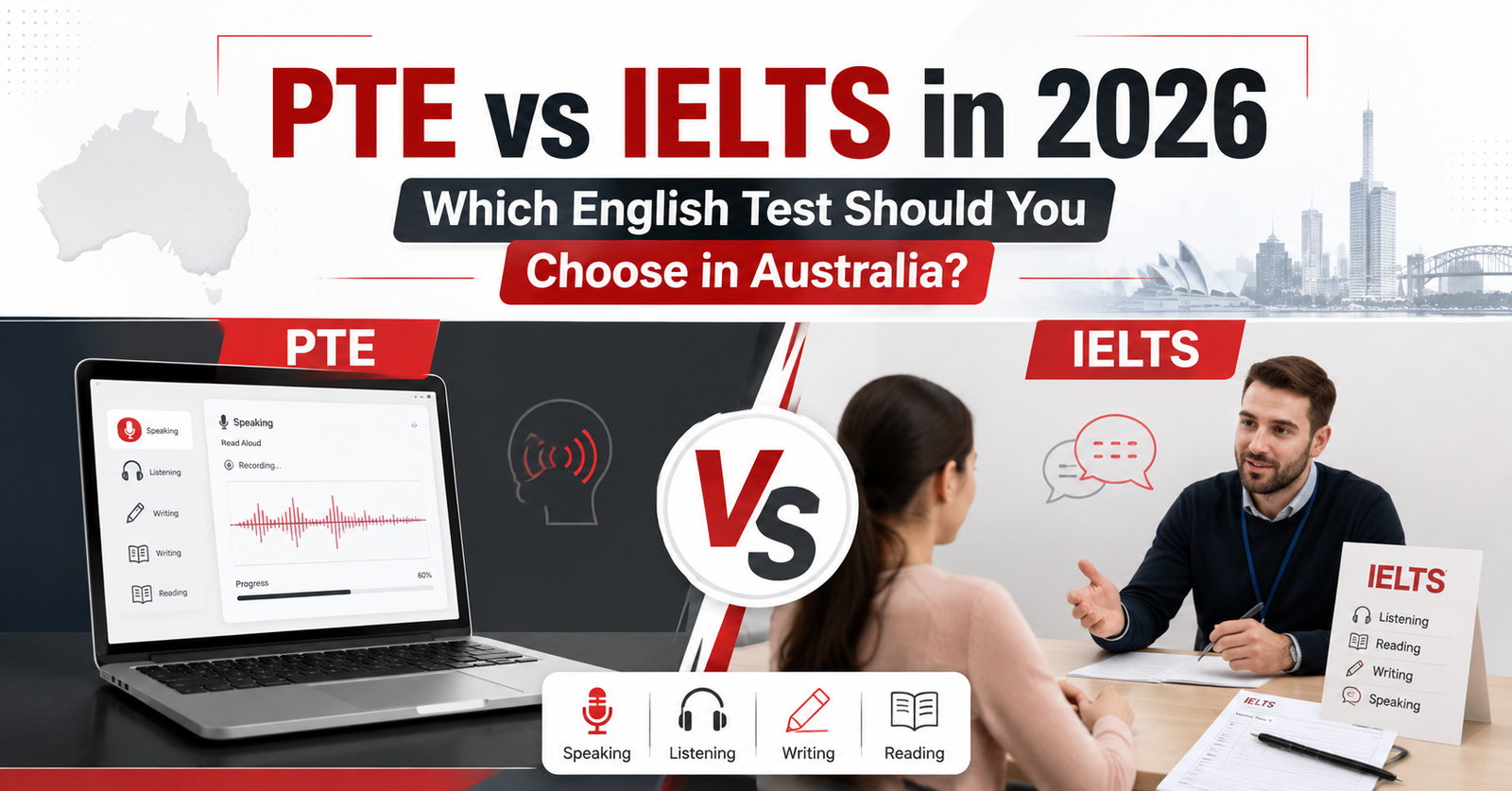
You can also read our guide to PTE vs IELTS in 2026 before deciding which exam suits your strengths.
Final Takeaway
The newer PTE speaking tasks reward candidates who can actually listen, process information and communicate.
Do not prepare only by memorising templates.
That combination will help you far more than chasing shortcuts.
Ready to Improve Your PTE Speaking Performance?
Explore High Hopes PTE Coaching in Perth and practise with expert feedback, mock tests and targeted preparation before your real exam.